
Is Plant-Dyed Color Permanent?
I’m often asked about plant dyeing with beets and purple onions. We hear a lot about fun projects like this which are a great way to explore dyeing, especially with kids.
But many common kitchen vegetables and fruits are considered ‘fugitive’ in the natural dye world, and just like the definition of fugitive this means the dyes will not stay on the fabric (they run!). The color will fade quickly.
When dyed correctly, organic plant dyes produce unique, earthy and colorfast colors that are not often found in synthetic dyes. People buy natural plant-dyed home décor and clothing for their beautiful colors as well as the look and feel of natural cottons and fabrics. Because organic dye is non-chemical, it is also an environmental choice.
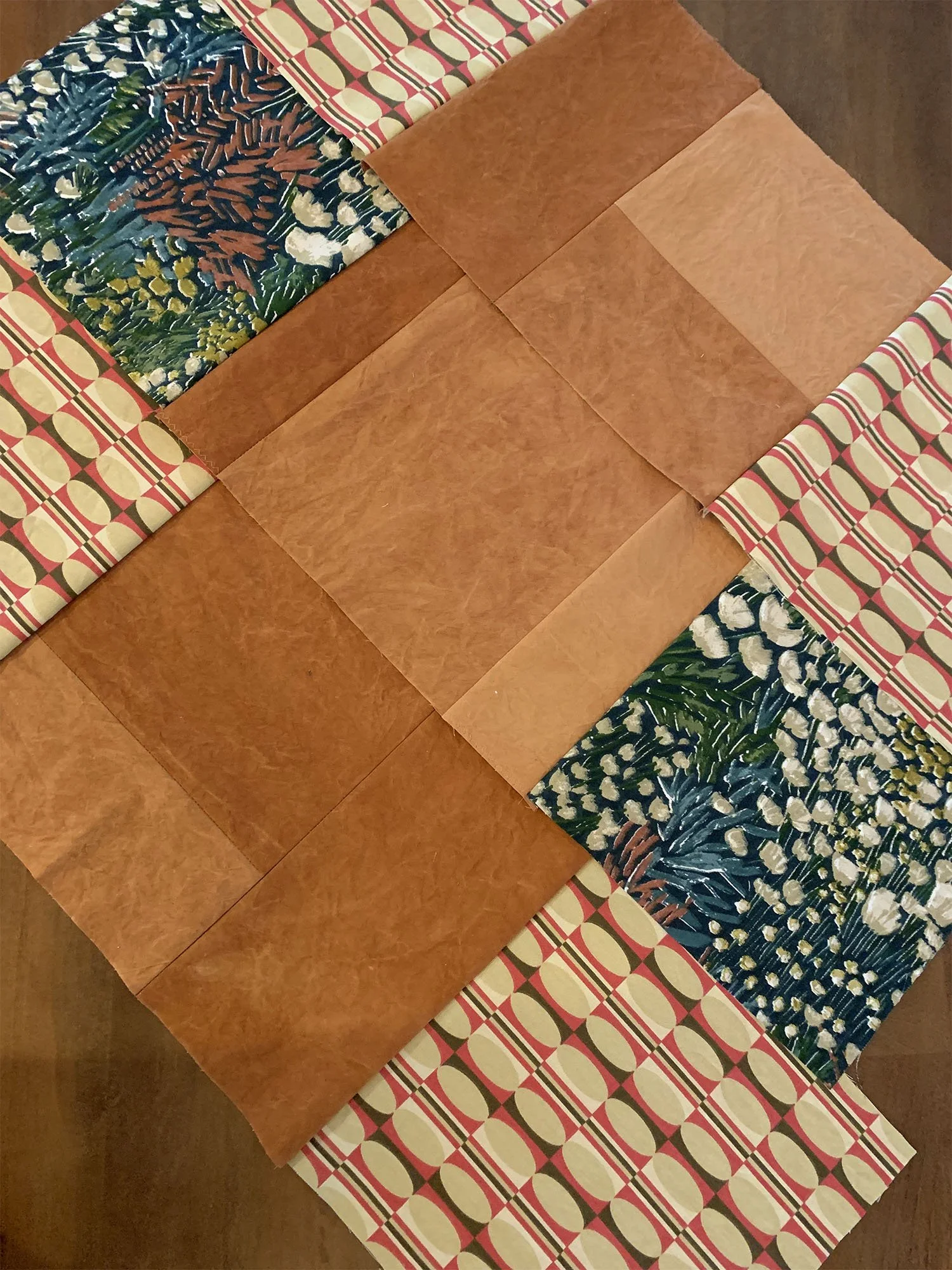
There are many plant dyes that are excellent choices as long as the correct mordanting process is done (I’ll talk about this further down). Because we want to feel confident our new natural dyed item will keep its vibrant color (bright or subdued, however the color tone is when new), there are a few important things to know.
Begin with a 100% natural fabric
It’s important to know that only 100% cotton, linen, hemp, muslin (cellulose fibers) and silk and wool (protein fibers) can be successfully plant-dyed. In other words, the process must begin with an all-natural fabric. For example, if clothing is a mix of synthetics plus cotton it cannot be successfully plant-dyed.

After the right fabric is chosen, the dye process begins with scouring, which is simmering the fabric in a biodegradable soap combination with soda ash in a large stainless-steel pot for at least one hour. The fabric is then rinsed when cool. Scouring removes wax, pectic substances, and oils to clean and prepare the fabric. This allows the fabric to absorb the dye for consistent rich color and improves washfastness (fabric will keep the color after many washings) and lightfastness (color will not fade quickly in bright light).
Why the mordant step is crucial
Mordanting literally translates to “biting” in French, and that is what it enables the dye to do (to bite or grip the fabric). Because mordanting is a fairly complex step, I won’t go into detail on this. However, as a buyer of a plant-dyed product it’s an important question you may want to ask. Anyone who plant-dyes should be able to explain how they mordant their products.
Why is mordanting so critical? Mordants are special substances that ‘fix’ the natural dye substance to the fabric to produce washfast, colorfast, and lightfast results. Tannins are part of the mordant process. Different mordant techniques are used depending upon the type of fabric, and cellulose and protein fabrics are mordanted differently.
Tannins are the first step in the mordant process. Most dyes require a tanin, but there are a few exceptions. I dye with four different plant dyes—marigold flower heads, cutch (acacia catechu wood), Himalayan rhubarb root, and madder root (Rubia cordifolia). I use a tanin with all of these dyes, except cutch. Cutch is naturally rich in tanins so it doesn’t require an additional tanin.
The tanin step is followed by a second step in the mordant process. How this is done depends on the type of fabric. I dye with cottons and linens and use a mixture of alum (aluminum potassium sulfate) and soda ash. The fabric soaks in the dye pot for two hours with a long cool-down before rinsing.
Scouring, tanins, and mordanting all must be completed before any actual color dyeing takes place. These are critical steps to ensure that the beautiful, rich color will be long-lasting. If you’re purchasing a natural dyed cotton t-shirt, for example (which will be washed many times), you’ll want to know that the fabric has been dyed correctly to protect the color.
It takes several days of preparing the fabric before the actual color dyeing process can begin.
The global fight for books and education
The Bookseller of Kabul jumped off the shelves to me when I recently visited Kazoo Books in Kalamazoo. I remembered hearing about this book years ago but for some reason never read it, until now.
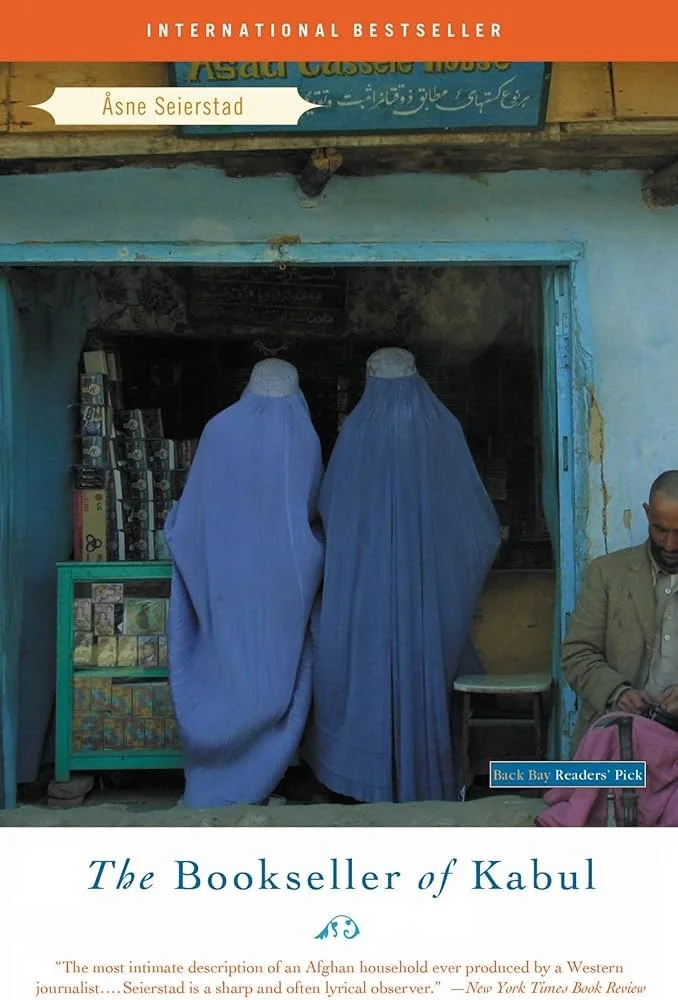
Nothing for me touches on the depth of understanding from an exceptional book (unless you’re able to travel to the country). Not a new release (it was first published in English in 2003), it tells the story of Afghan bookstore owner Sultan Khan and his extended family through the eyes of Norwegian journalist Asne Seierstad who has traveled to Afghanistan immediately following the 9/11 attacks. She meets Sultan when visiting his bookstore, and he gives her permission to live with and observe his extended family for a few months. In the book she tells their personal stories, the success and struggles of the bookstore, and life in Afghanistan under the Taliban and following the fall of the Taliban in 2001.
As I read about the experiences of the Afghan women, the deeply-ingrained misogyny of the culture became unbearable. This is demonstrated in the book not only in society but also in the closest family relationships when women are denied freedom of expression, of travel outside the home, of choice of relationships and careers, and notably freedom of education.
This is a microscopic look at Afghanistan and an Afghan family’s lives and struggles—fascinating, frustrating, and enraging.
West Michigan art and indie bookstores…
I discovered Kazoo Books Home • Kazoo Books a few weeks ago on a Kalamazoo day trip. This is where I found The Bookseller of Kabul. Cozy and fun bookstore to lose yourself in for an hour or two. Also, currently on exhibit until July 12th at the KIA: From Cobalt to Indigo: The Power of Blue in East Asia - Kalamazoo Institute of Arts And I spent an afternoon at the Saugatuck Center for the Arts immersing myself in Flourish - Saugatuck Center for the Arts, the stunning installation works by Kayla Powers kayla powers which she created with native Michigan plants and plant-dyed fibers. Flourish closed at the Saugatuck Center for the Arts on May 8, 2026.
Links:
The Bookseller of Kabul a book by Åsne Seierstad - Bookshop.org US
From Cobalt to Indigo: The Power of Blue in East Asia - Kalamazoo Institute of Arts
Flourish - Saugatuck Center for the Arts
No AI is used in writing my newsletter.
I encourage ordering and buying books from your local independent booksellers. Good alternative options: support your local indie bookshops through Bookshop.org: Buy books online. Support local bookstores. and Better World Books Buy New & Used Books Online | Better World Books
If possible, avoid ordering through Amazon. We’re making the world a little better through one purchase at a time with our local and independent stores.